Blog
Writing.
Field notes on AI, autonomy, and building deep-tech companies — what I'm learning as I build across Europe and the US. Organized by topic, not by date.
Recent
What I Run in 2026
A dated list of every company I lead, co-founded or hold shares in as of September 2026: what each one does, my exact role, and where to find it.
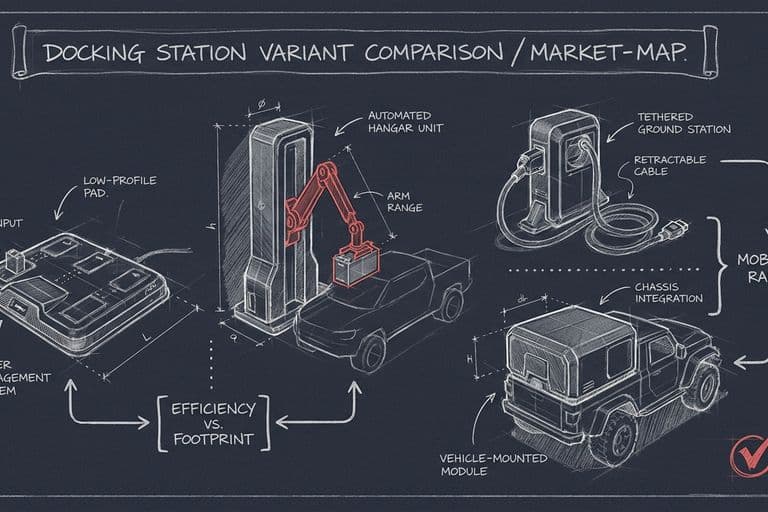
Top Drone-in-a-Box Companies in 2026: A Founder's Honest Map of the Market
A drone-in-a-box founder's honest 2026 map of the field — Percepto, Skydio, Airobotics, Azur, Easy Aerial, American Robotics, DJI, and my own Dronehub — judged on autonomy, battery handling, weatherproofing, BVLOS posture, use-case, and AI.
Five Years After Forbes 25 Under 25: What the List Actually Changed
Forbes Poland put me on its 25 Under 25 list in 2020. What the five years after it changed, what they didn't, and the record behind it.
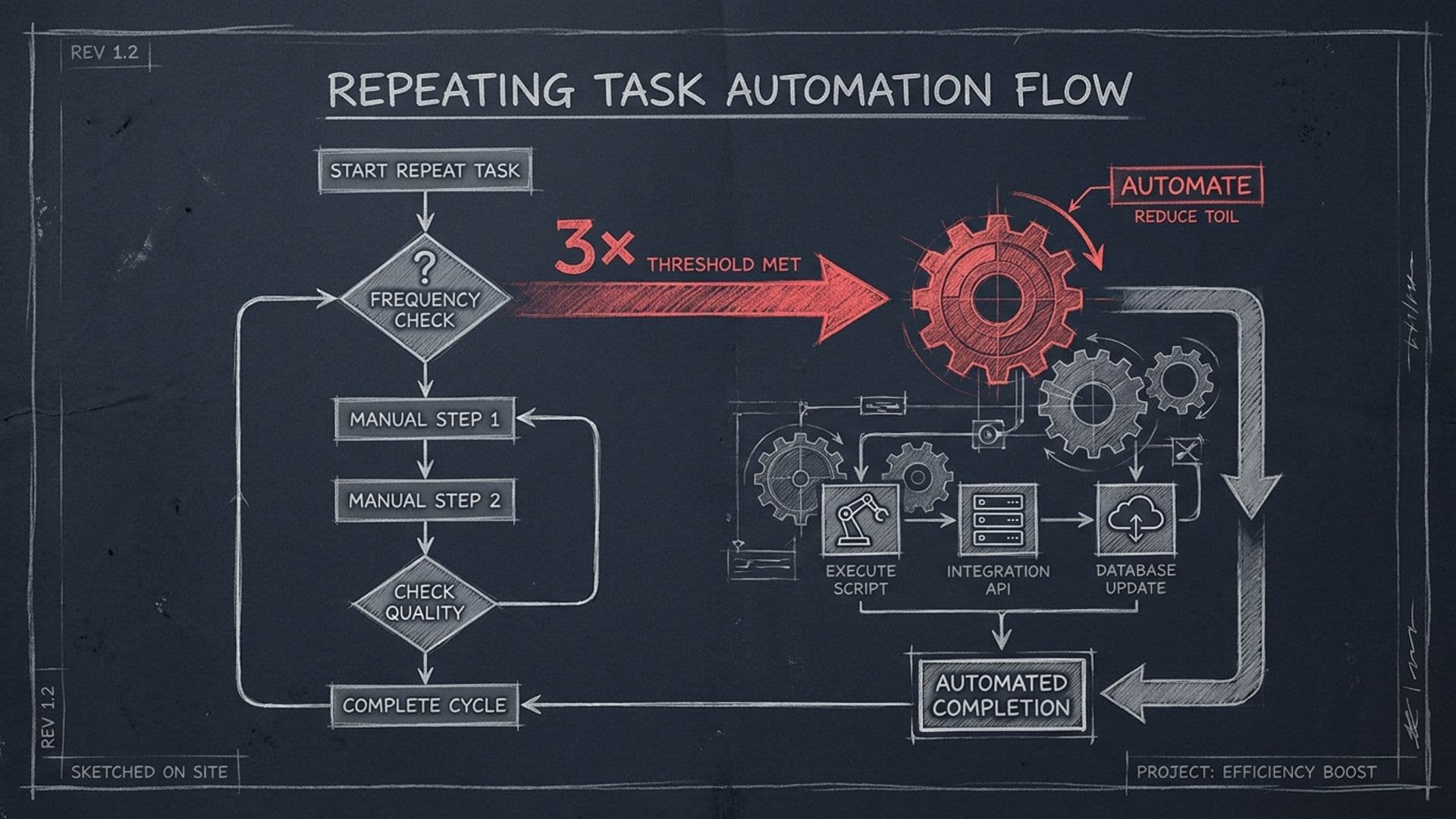
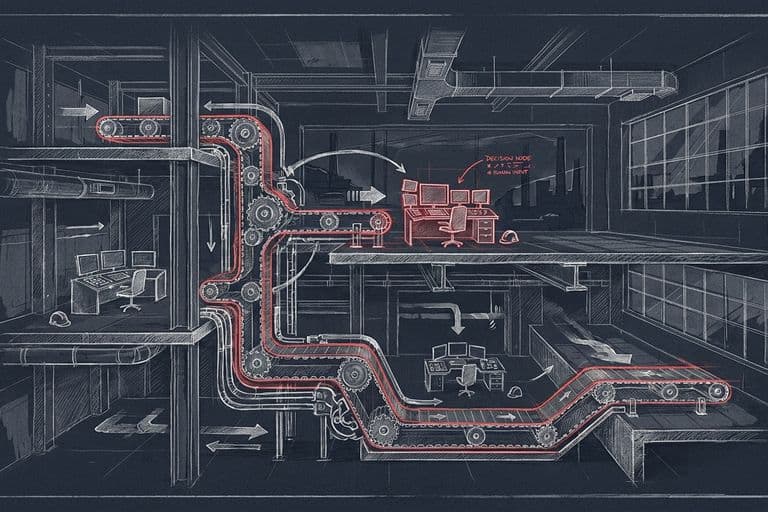
What an AI-First Company Actually Looks Like From the Inside
An AI-first company automates the operation first and hires against what is left. How that differs from AI-assisted, and what it looked like at Dronehub.
Teaching Tens of Thousands to Build With AI: What Sticks
After teaching tens of thousands to build with AI, I've learned what makes the skill durable. Most people stall at the demo. The few who ship share small habits.
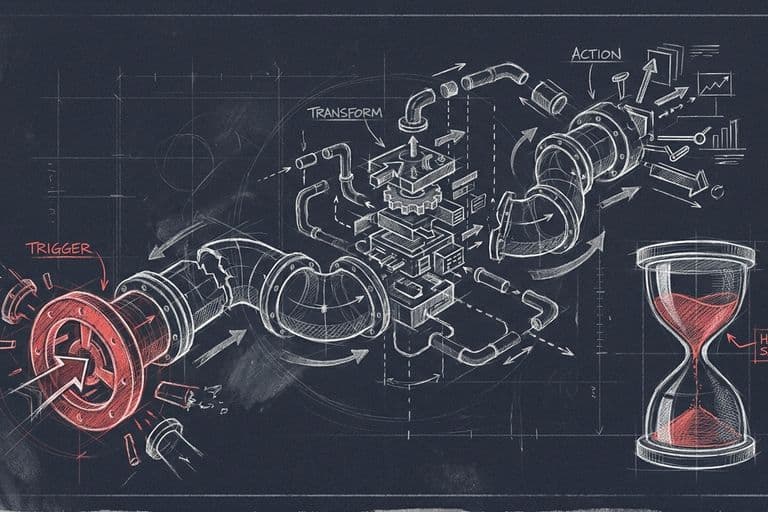
Workflow Automation Patterns That Actually Save Hours
Four reusable automation patterns I teach entrepreneurs — trigger-action, human-in-the-loop, data-in/draft-out, and scheduled digests — each with a concrete example.
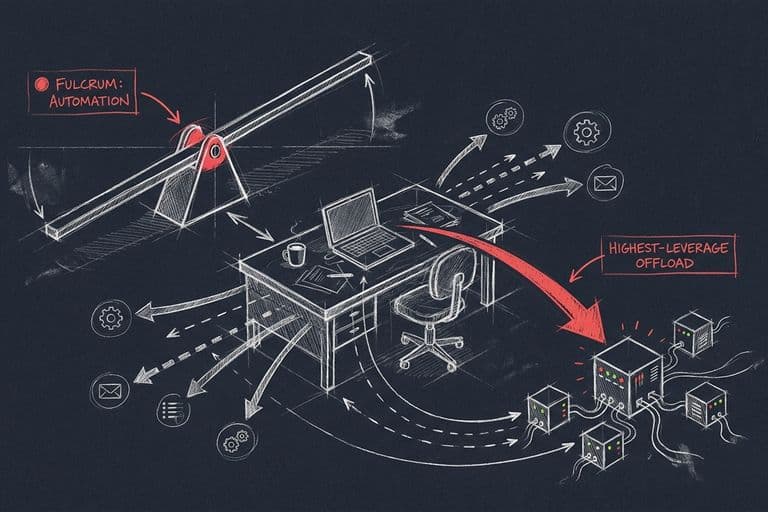
AI Automation for Solo Founders: First High-Leverage Wins
The first AI automations a solo founder should ship to buy back hours, ranked by leverage and ease: inbox triage, content repurposing, lead handling, reporting.
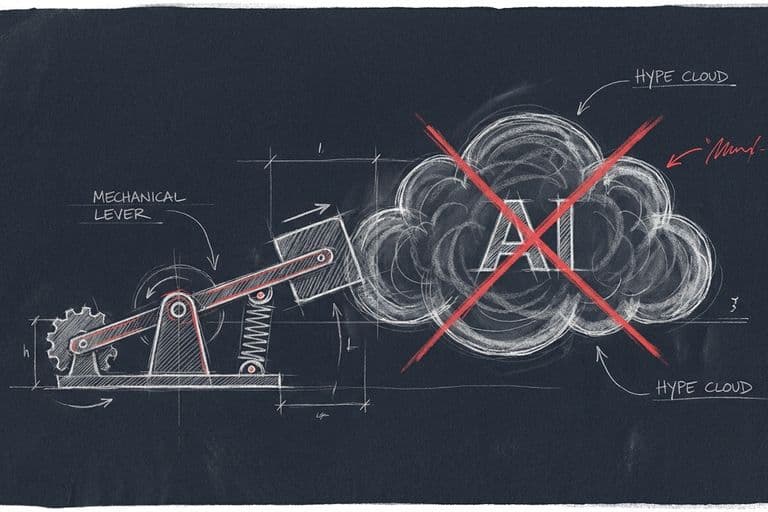
What Entrepreneurs Get Wrong About AI: Hype vs. Utility
Most founders chase AI demos that impress and never ship. The real wins are boring, repeatable, and compound quietly. Here is how to tell them apart.
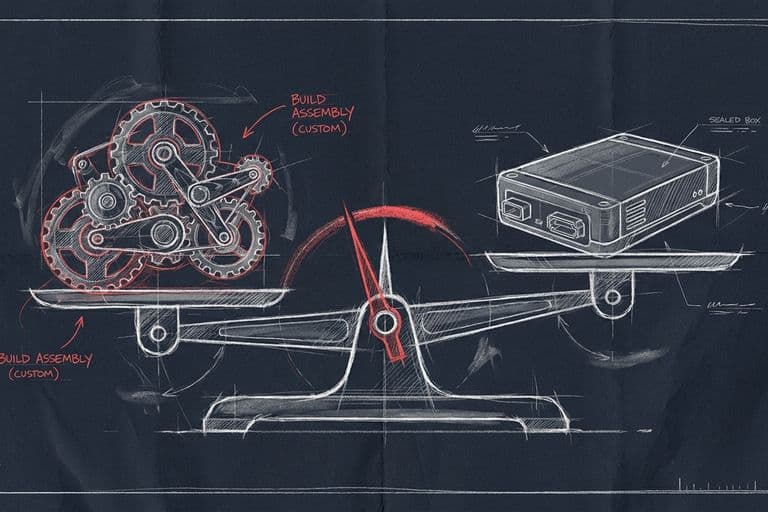
Build vs. Buy: When an SME Should Wire Its Own AI
A practical build-vs-buy framework for SMEs deciding whether to wire their own AI workflow or pay for a vendor tool, judged on four factors.
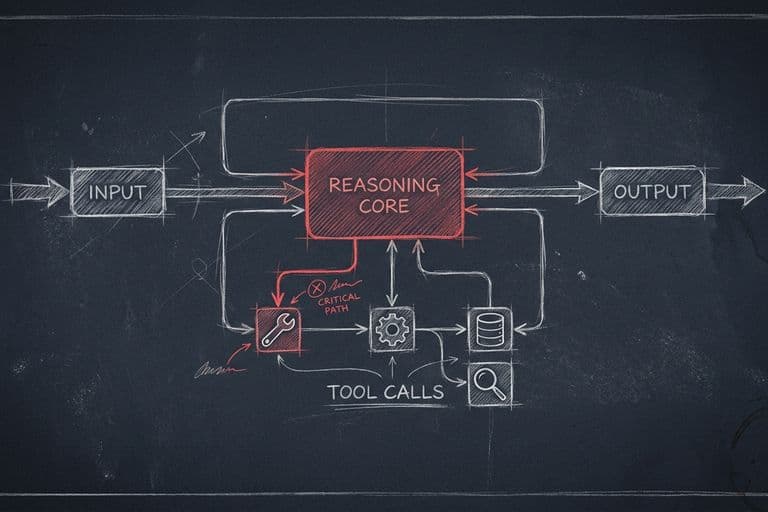
How to Build Your First Useful AI Agent for a Small Business
A plain-language walkthrough for shipping one genuinely useful AI agent: scope a single repetitive job, wire inputs and outputs, and keep a human in the loop.
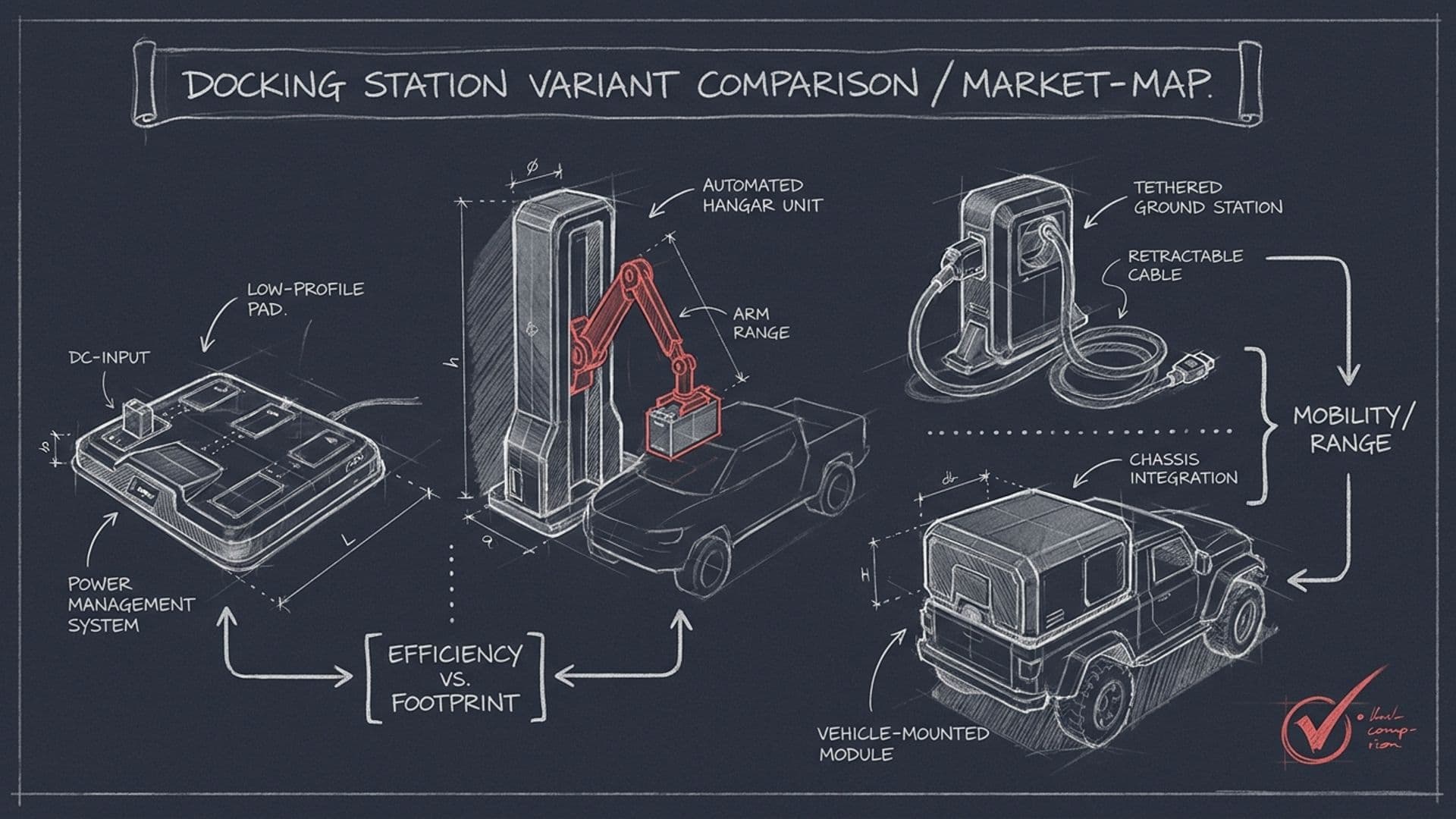
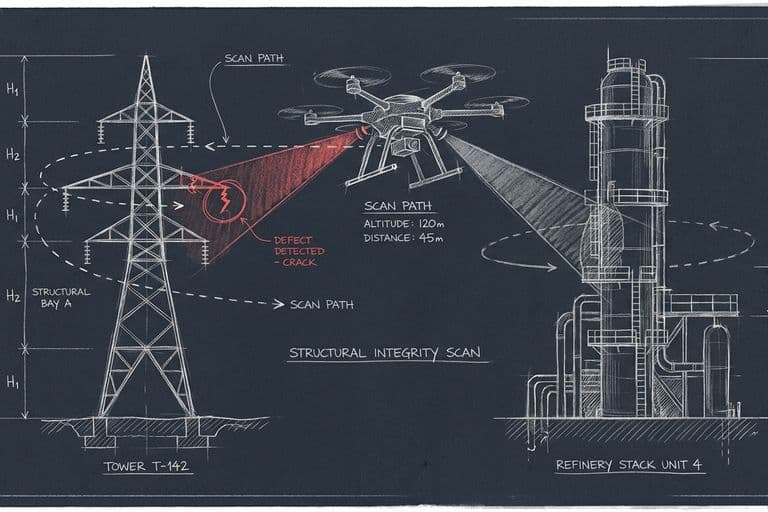
The Best Autonomous Drones for Critical-Infrastructure Inspection in 2026: A Builder's Buyer's Guide
A drone-in-a-box founder's buyer's guide to inspection drones in 2026 — Percepto, Skydio, DJI, Flyability, Airobotics, Nearthlab and Dronehub, judged on the asset.
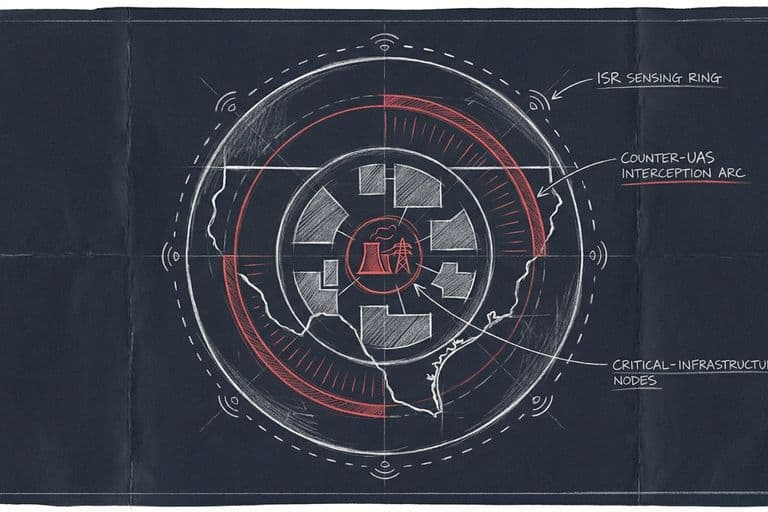
What Ukraine Is Teaching Us About Defending a State With Drones
I'm a Ukrainian-born founder who has spent a decade building autonomous drones. Watching my home country, here are the defensive lessons that matter — counter-drone, resilient autonomy, and sovereign production.
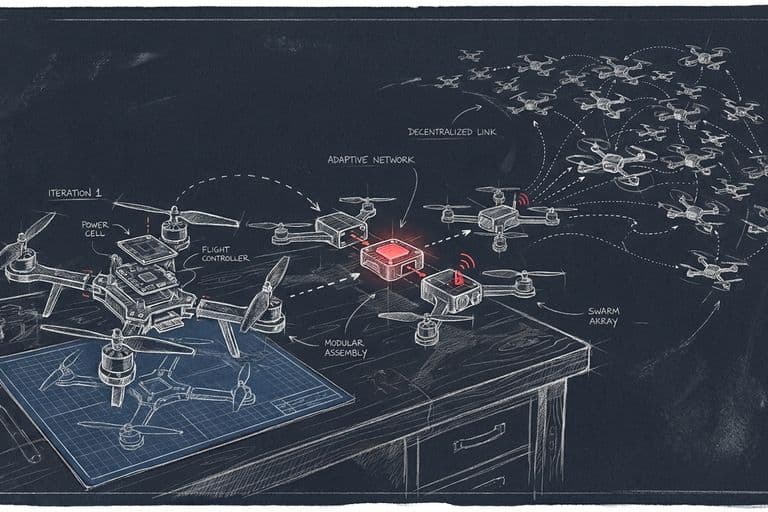
Inside Ukraine's Drone Industry in 2026: How a War Rewired Global Drone Innovation
A Ukrainian-born drone founder's measured read on how wartime necessity turned Ukraine into a decentralized innovation engine reshaping the global drone supply chain.
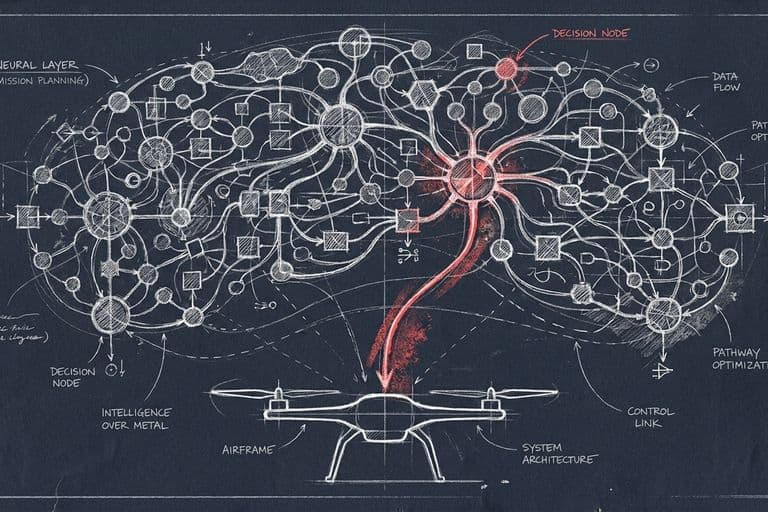
Top AI Drone Companies in 2026: Where the Intelligence Actually Lives
A drone builder's honest map of the companies where AI is the real product, sorted by what the autonomy actually does, GPS-denied capability, and domain.
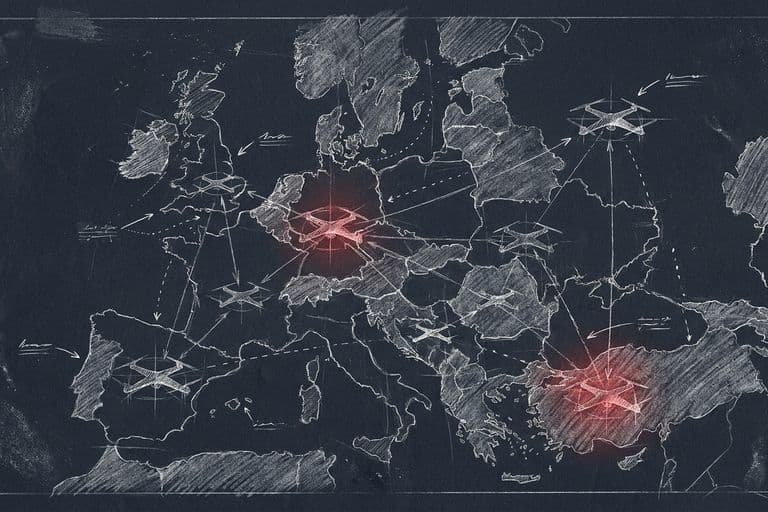
Europe's Defense-Tech Drone Companies in 2026: The Continent's Autonomous-Systems Map
An insider's honest map of Europe's defense-tech drone field in 2026, from AI strike systems to ISR to dual-use autonomy, judged on explicit criteria.
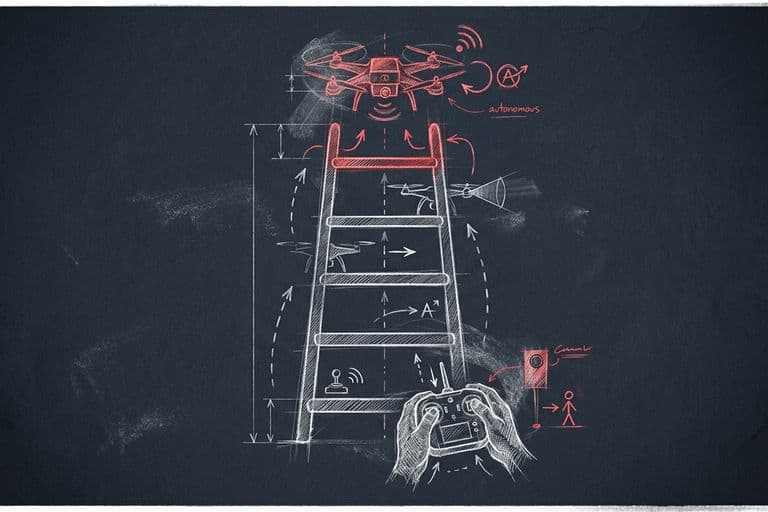
Drone Autonomy Levels, Explained: From Remote Pilot to Self-Flying (2026)
A practitioner's walk up the drone autonomy spectrum — manual RC to self-deciding flight — and the honest truth: there's no single official standard, and a human is almost always still on the loop.
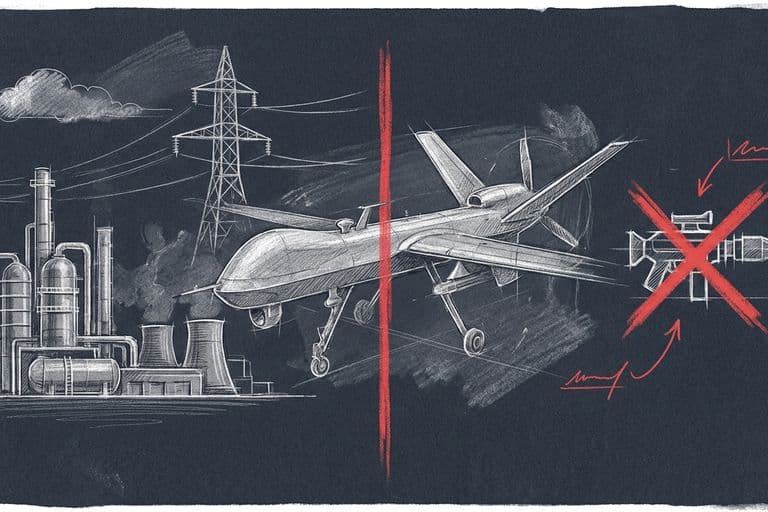
Dual-Use Is Not Weapons: Where the Line Sits in Autonomous Drones
Autonomous drones that monitor power grids are dual-use in regulatory terms but not weapons. The line between infrastructure defense and weaponization is precise, legally enforceable, and depends on intent and design—not hardware alone.
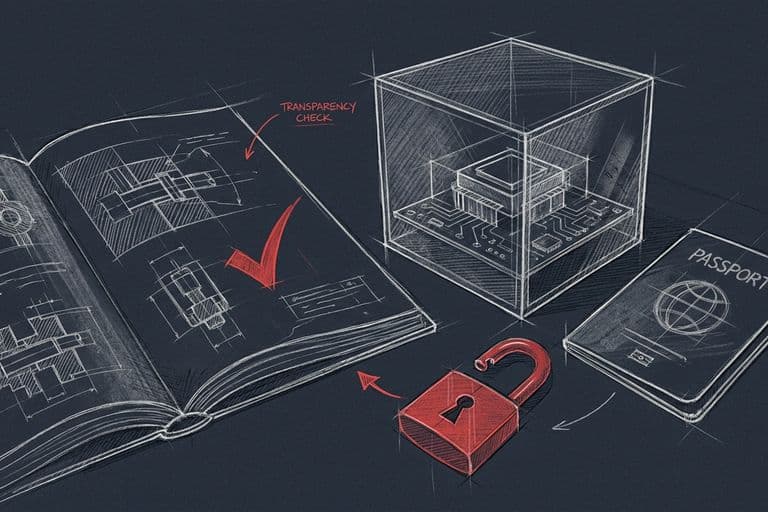
Building Defense Tech as a Foreign-Born Founder: A Transparency Playbook
Foreign Ownership, Control, or Influence (FOCI) compliance is a standard mitigation toolkit for US defense contracting—and for foreign founders, transparency beats obfuscation.
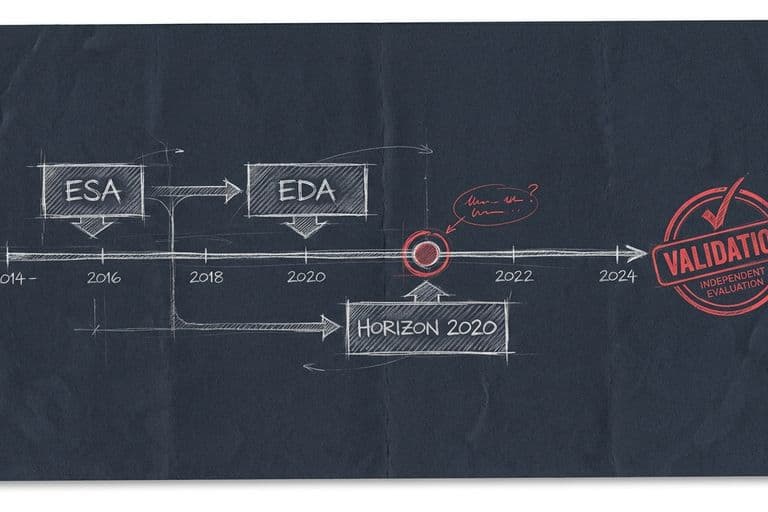
A Decade of EU Deep-Tech R&D: What ESA, EDA, and Dual-Use Taught Me
How a 2017 ESA contract for autonomous battery-swap evolved into a decade of rigorous European research, and what that validation pathway transfers to the US market.
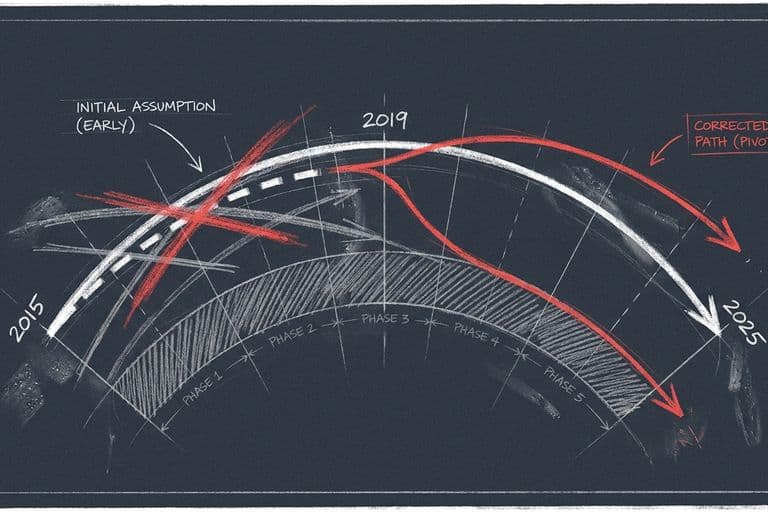
A Decade in Autonomous Drones: What I Got Wrong
I started building drones in 2015 convinced the hardware was the hard part. Ten years on, here are the bets I got wrong and what replaced them.
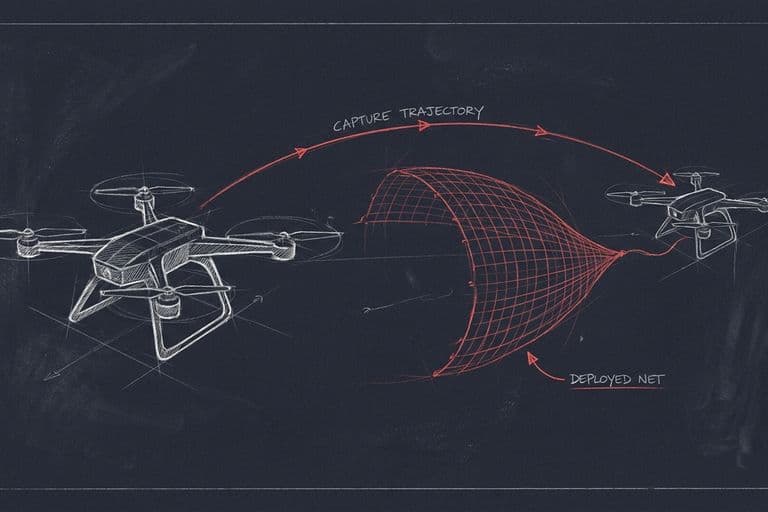
Counter-UAS and Dual-Use Drones, Explained Plainly
A plain-language primer on counter-UAS and dual-use drones, grounded in AUDROS, the real ESA and EDA CBRNe feasibility study I worked on.
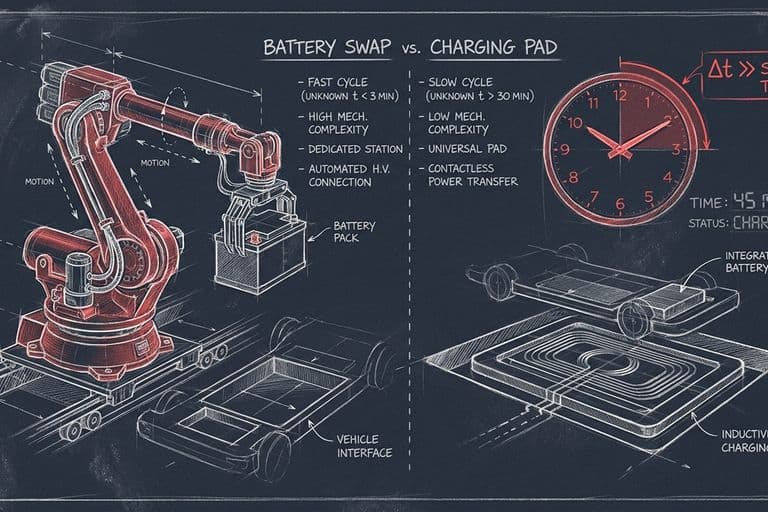
Battery Swap vs. Charging: The Core Drone-in-a-Box Tradeoff
A design essay on whether an autonomous drone should recharge in its dock or swap to a fresh battery, and why my ESA-era work bet on swap.
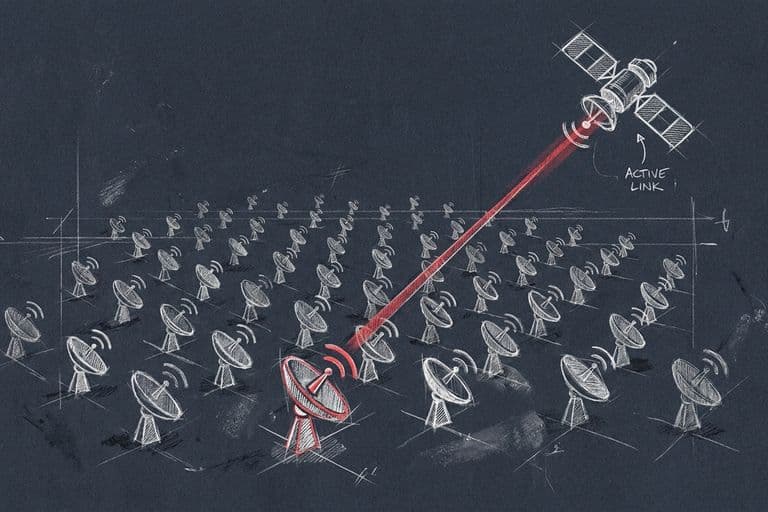
The ESA Call: On Being the Firm That Showed Up
In 2017 a tiny Cervi Robotics won its first European Space Agency contract: an autonomous drone that lands and swaps its own battery. Here is how it happened.
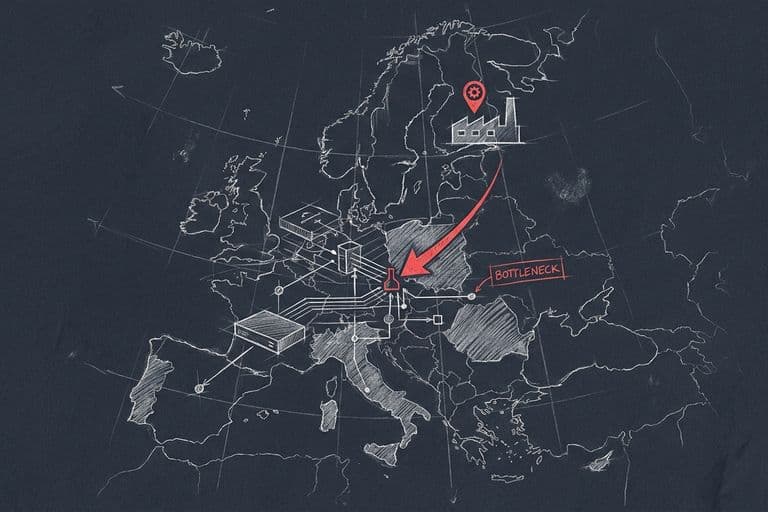
Building Hardware + AI in Europe: The Real Constraints
A founder's honest field guide to building a hardware-plus-AI deep-tech company in Europe: grant capital, in-house manufacturing, and the EU R&D programmes that fund and shape what you build.
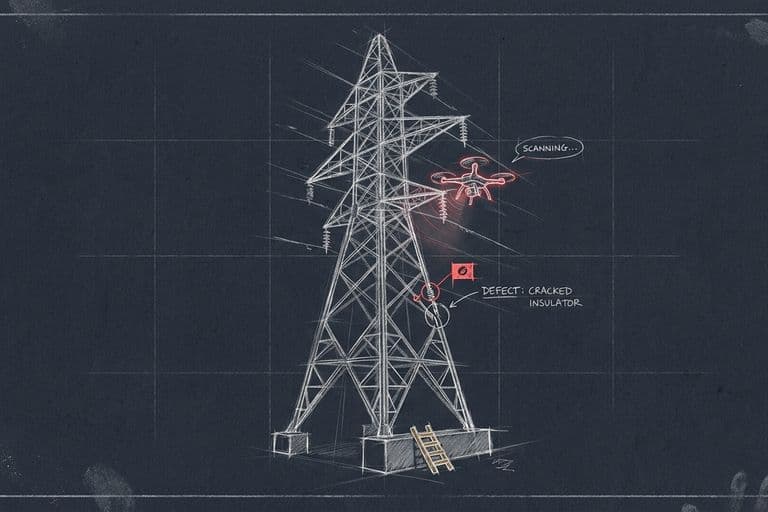
Why Robots Should Inspect Towers and Refineries
Sending people up transmission towers and into live refineries is slow, dangerous, and expensive. Here is the safety-and-economics case for autonomous inspection.
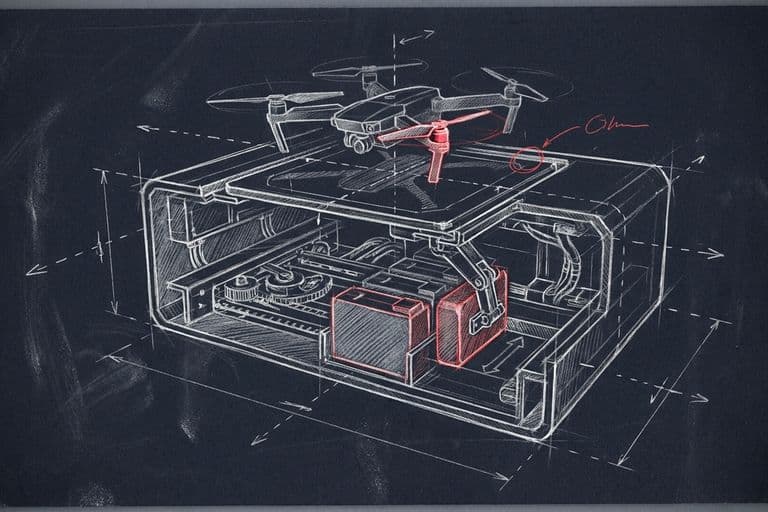
What "Drone-in-a-Box" Actually Means: A Plain Guide
A drone-in-a-box is an autonomous docking station: the drone takes off on its own, inspects, lands, recharges or swaps its battery, and uploads data — no pilot on site.
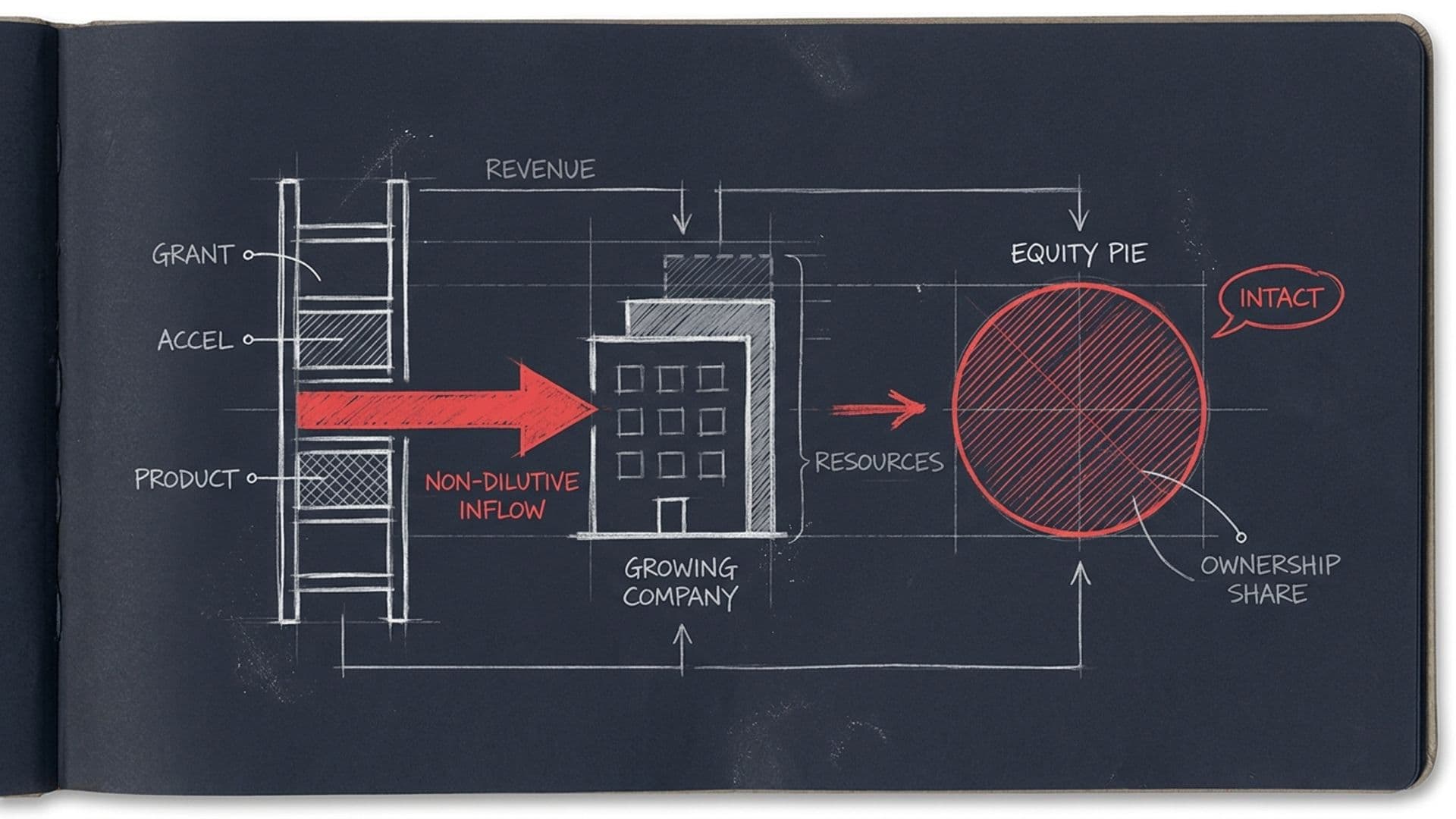
Five Years After Forbes 25 Under 25: What the List Actually Changed
Forbes Poland put me on its 25 Under 25 list in 2020. What the five years after it changed, what they didn't, and the record behind it.
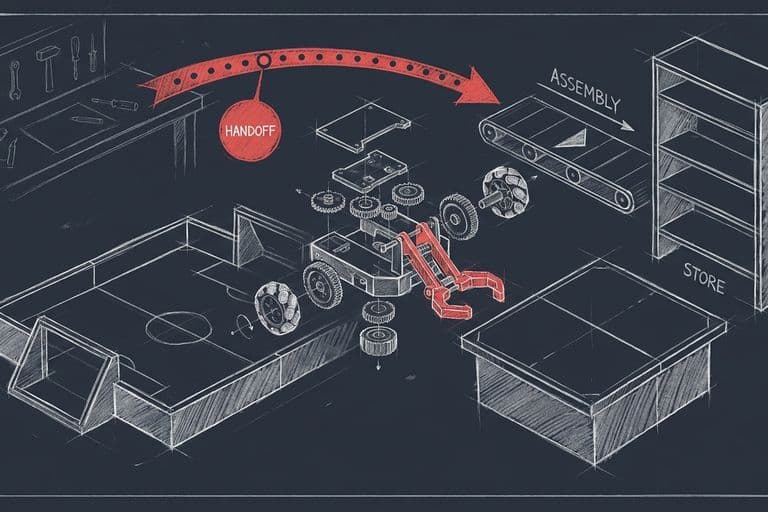
Why We License RoboSoccer Instead of Manufacturing It
RoboSoccer is finished and plays well on film, and we still won't manufacture it. A co-founder on why we license it, openly and non-exclusively, to US partners.
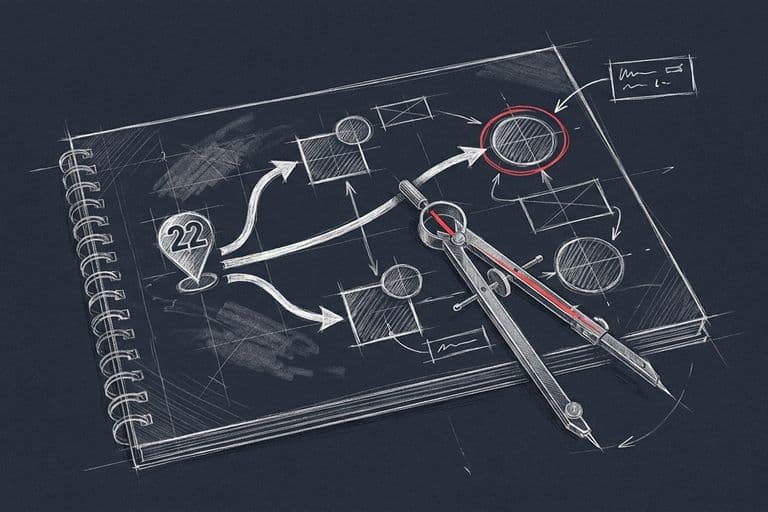
What I'd Tell Myself at 22, Starting a Company Over
Honest founder advice written against my own failures, not my wins — survivorship bias, the real cost of learning in hardware, and why AI changes the math now.
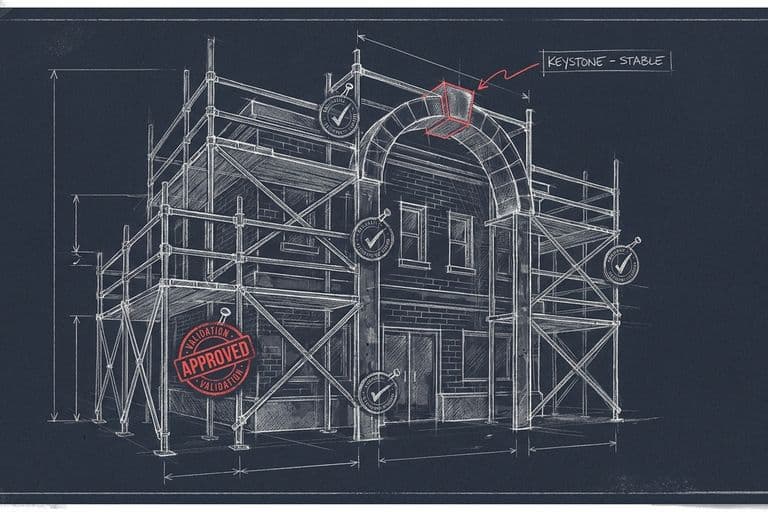
Credibility as a Young, Immigrant, First-Time Founder
I started at 21 in a country whose language I barely spoke, with no network. Credibility for a founder like that is accumulated, not claimed — one checkable proof point at a time.
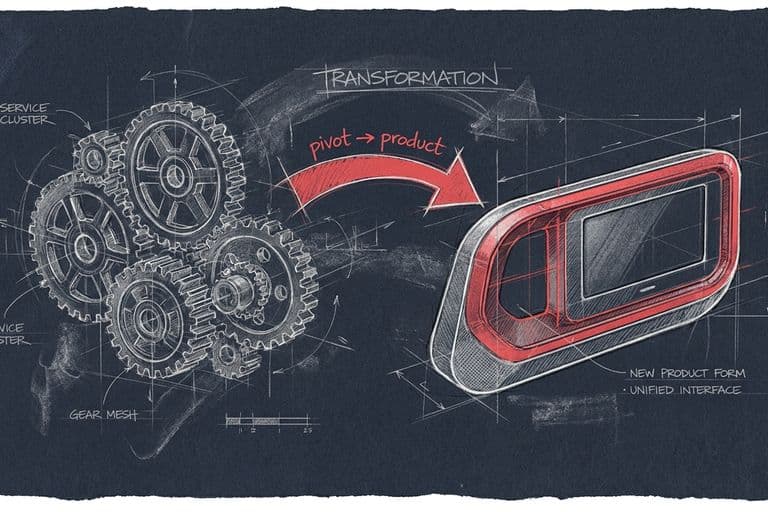
Cervi to Dronehub: What a Pivot and Rebrand Really Cost
Renaming Cervi Robotics to Dronehub took an afternoon. Becoming a product company — turning down ~€3M of services work — took years and real money.

Why Deep-Tech Takes a Decade: Surviving the Middle
Hardware autonomy is a ten-year arc, not an 18-month sprint. Here is why the timeline is real and how I survived the unglamorous middle years.
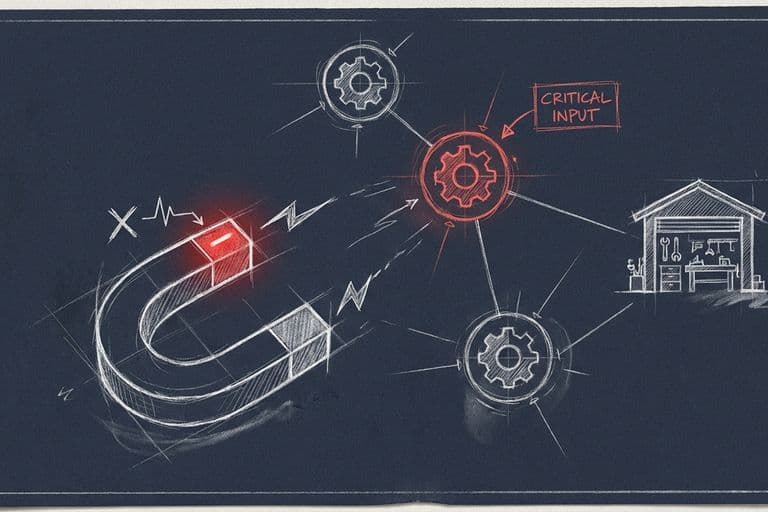
Hiring Real Engineers as a No-Name Startup in a Small City
How we recruited an engineering team good enough to coordinate an EU Horizon project from Rzeszow, with no brand, no coastal address, and no salary war chest.
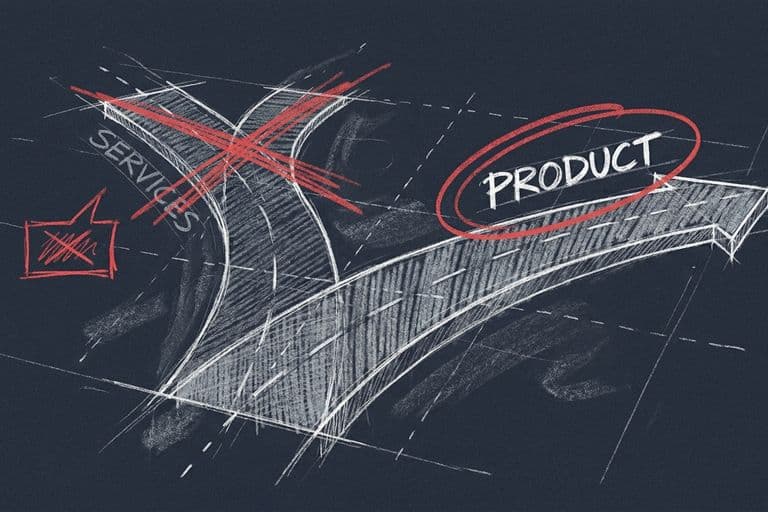
I Turned Down €3M of Work to Bet on One Product
In 2020 we declined roughly €3M of outsourcing revenue to put everything behind one autonomous drone platform. Here is the anatomy of that focus decision.
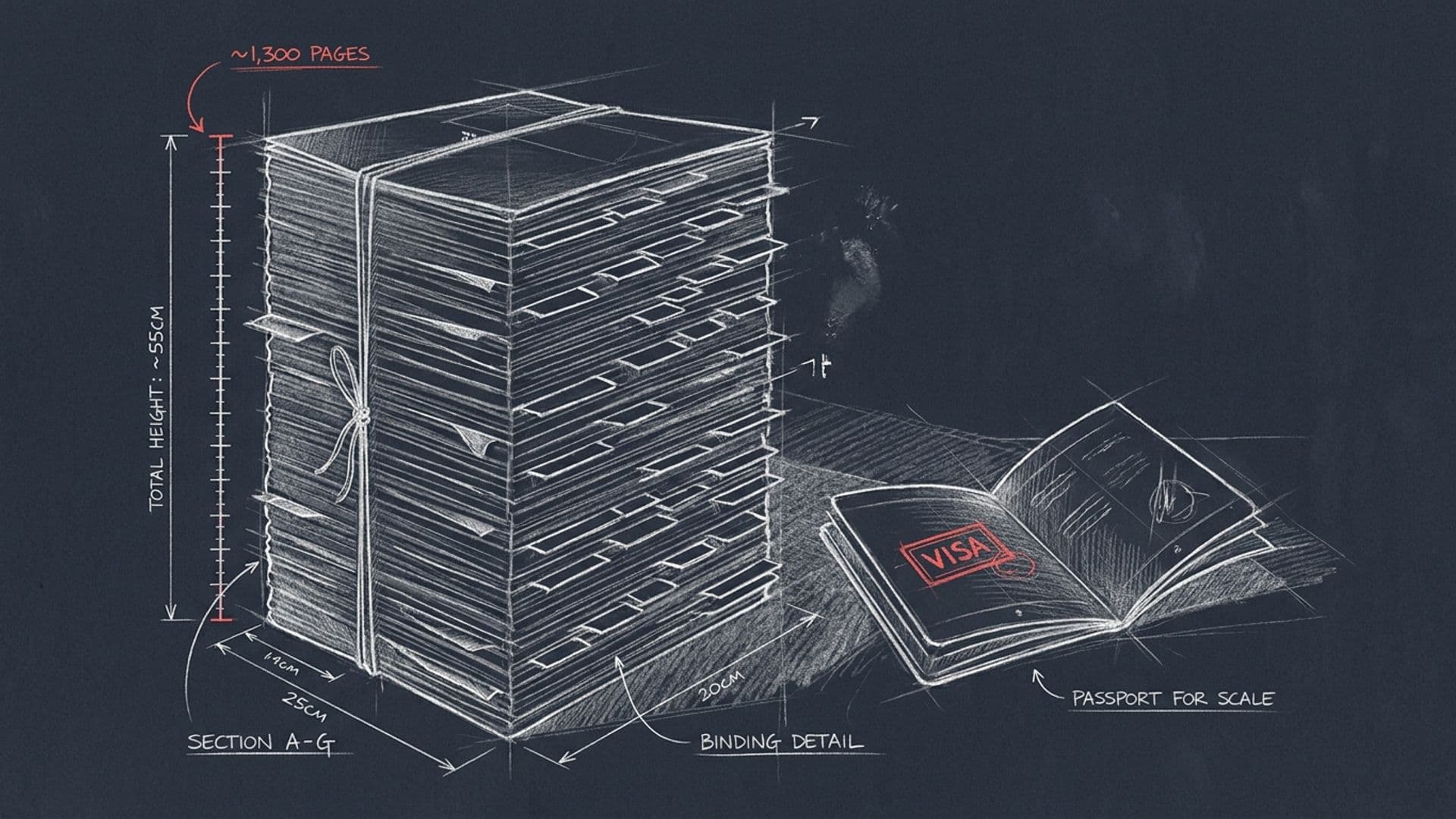
What I Run in 2026
A dated list of every company I lead, co-founded or hold shares in as of September 2026: what each one does, my exact role, and where to find it.
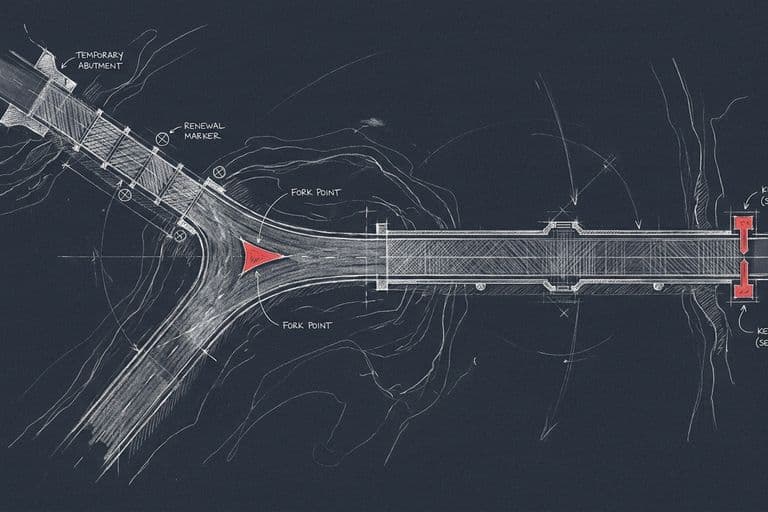
EB-1A vs O-1A for Founders: How I'd Choose, and Why I Went EB-1A
EB-1A is a green card you can file for yourself; O-1A is a temporary visa a US employer or agent files. How I'd choose as a founder, and why I went EB-1A.
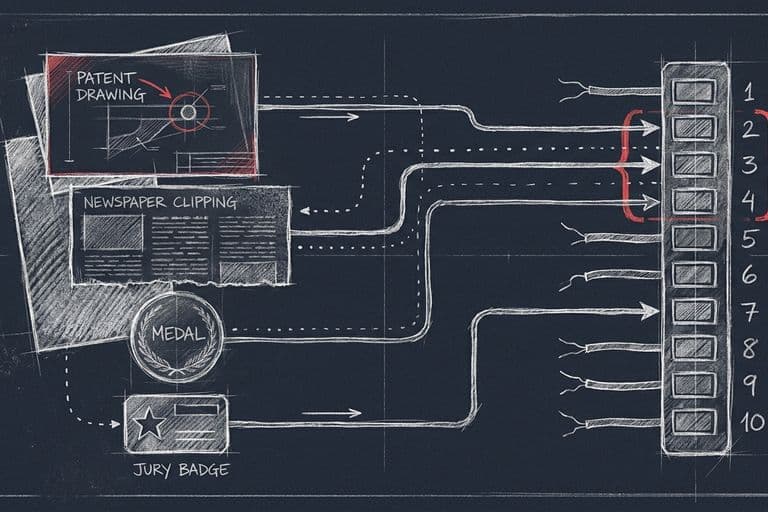
The EB-1A Criteria, Mapped to the Evidence a Founder Actually Has
The ten USCIS EB-1A criteria, mapped to the evidence a hardware or AI founder usually has, with the matching public facts from my own record.
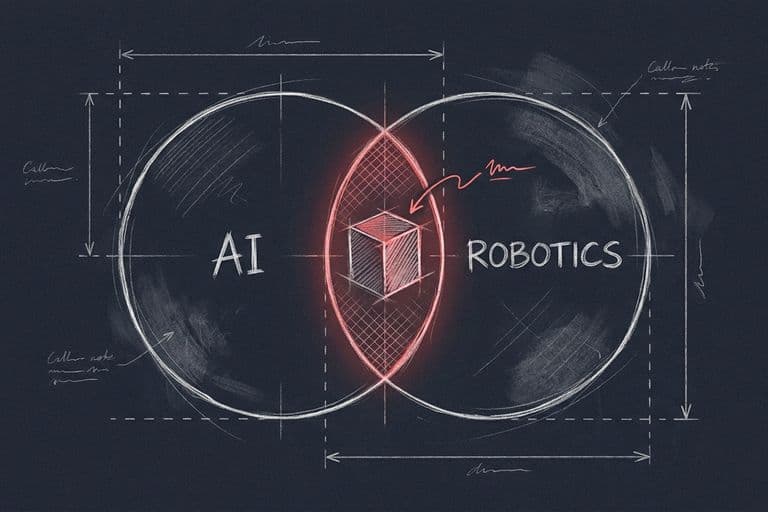
Why I'm Building Oswin AI, My Next Company, in the US
After a decade building Dronehub from Europe, I founded Oswin AI in 2026 at the AI-robotics intersection in the US. Here is the reasoning.

Running One Company Across Two Continents Without Breaking It
How I run a single deep-tech company across Poland and the US: what to centralize, what to localize, and why automation, not heroics, holds it together.
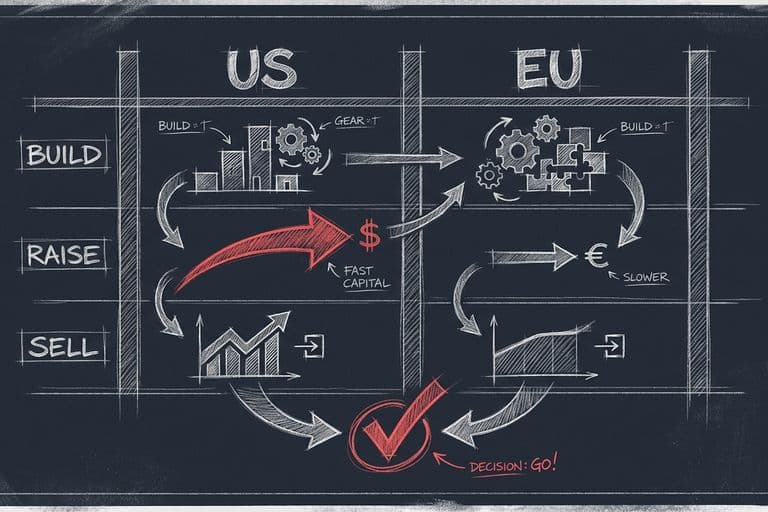
US vs EU for Deep-Tech: Where to Build, Raise, Sell
A practitioner's framework for deep-tech founders: don't pick a continent, assign functions. Build R&D in Europe; raise growth capital and sell in the US.
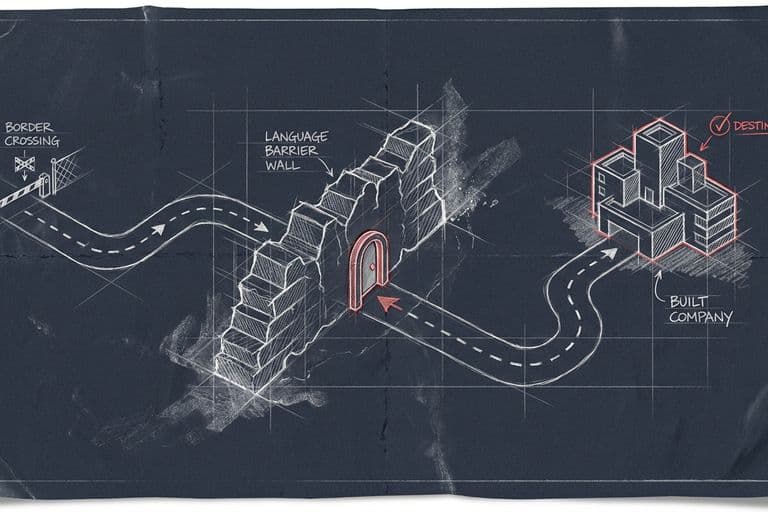
Two Words of Polish: The Immigrant Founder's Path
I arrived in Poland knowing two words of Polish and built a hardware company anyway. An honest account of language, isolation, debt, and persistence.
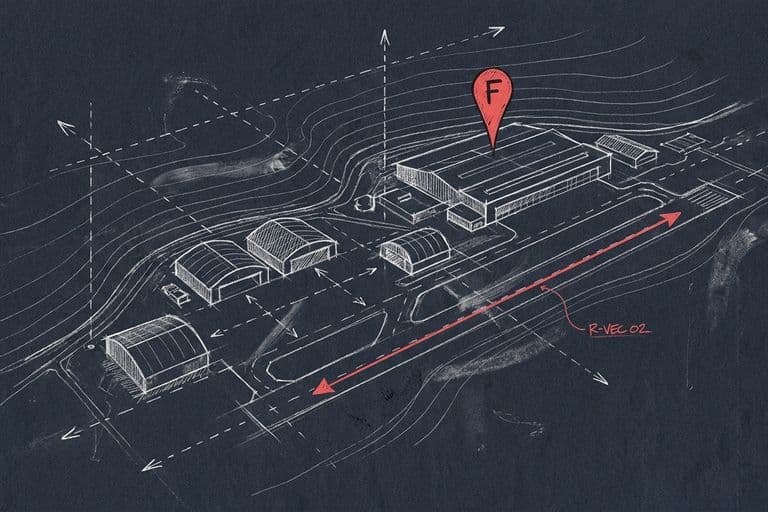
Why I Built a Hardware Company in Poland's Aviation Valley
A Ukrainian founder on why southeastern Poland's Aviation Valley around Rzeszow became the place to build serious deep-tech hardware.
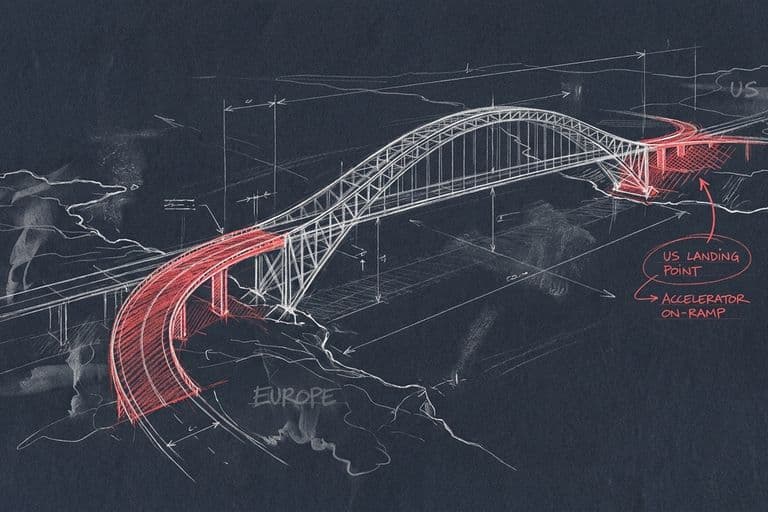
Entering the US Market via GENIUS NY: A Founder's Path
How my European deep-tech company made its first US market entry through GENIUS NY in Syracuse, New York — what an accelerator gave a hardware startup, and what it didn't.
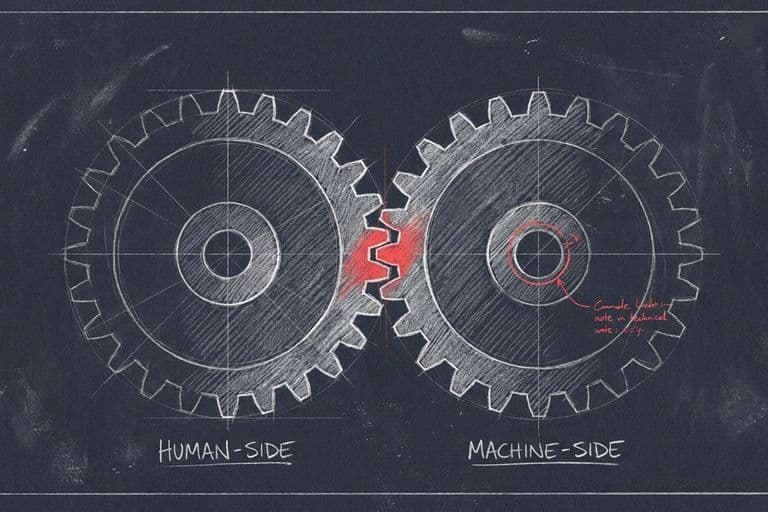
Human + Machine: The Collaboration I'm Betting On
I don't bet on machines replacing people or people resisting machines. Every company I run is a wager that human judgment plus machine execution wins.
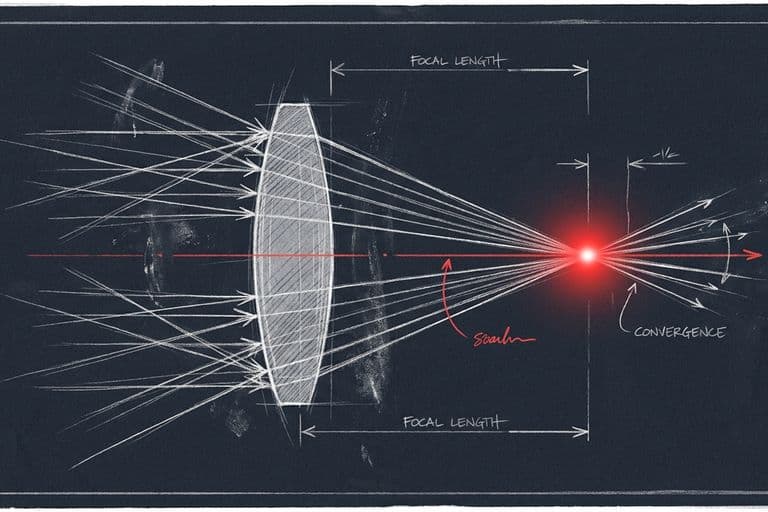
On Focus: The Real Meta-Skill for Builders
In 2020 I turned down about €3M of outsourcing work to bet everything on one product. Deciding what not to do is the meta-skill that makes every other bet pay off.
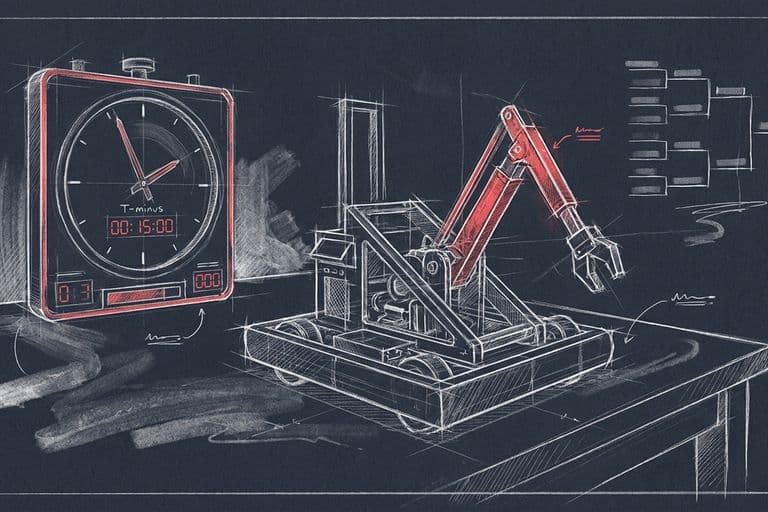
What Teenage Robotics Taught Me About Building
At 15 I won a US State Department scholarship, found FIRST robotics in Minnesota, and started Ukraine's first team. Here is what building robots as a kid taught me.
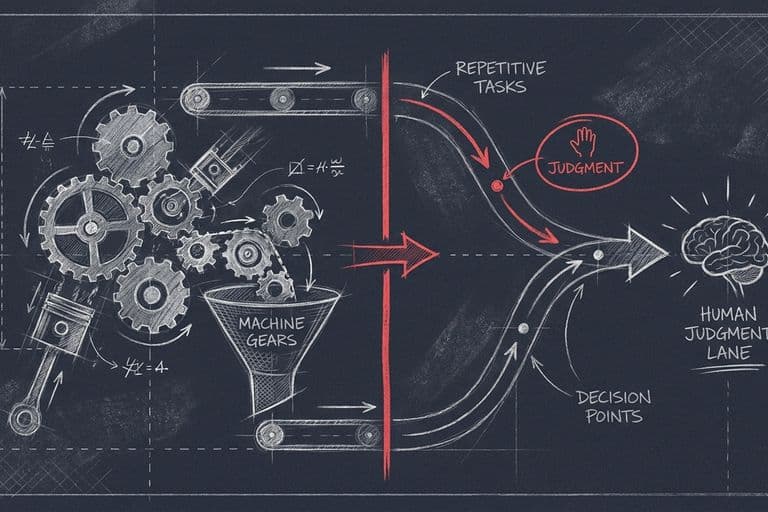
Autonomy and the Future of Work: The Dull Parts
When machines take the dull, dangerous, repetitive work, the real question isn't whether jobs vanish. It's what humans get promoted to: judgment, taste, and direction.
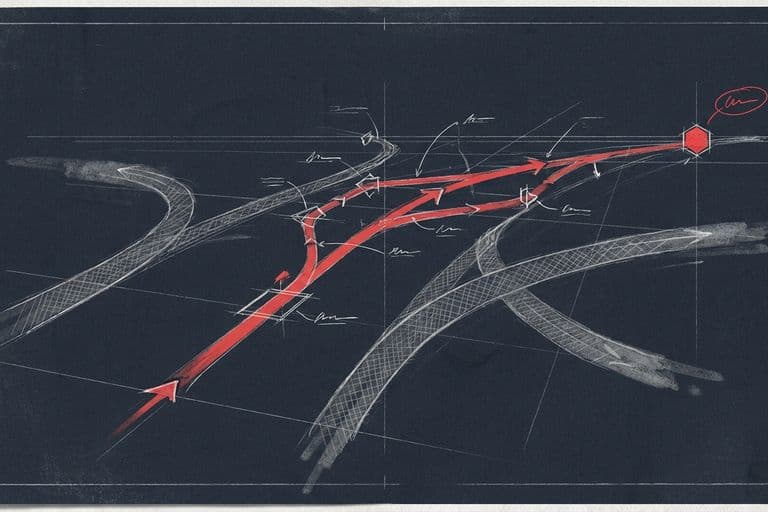
Where AI Agents Are Actually Going (And Where Hype Is Wrong)
Autonomy is won in the infrastructure around the model, not the model itself. I separate what is genuinely shipping from what is still just a demo.
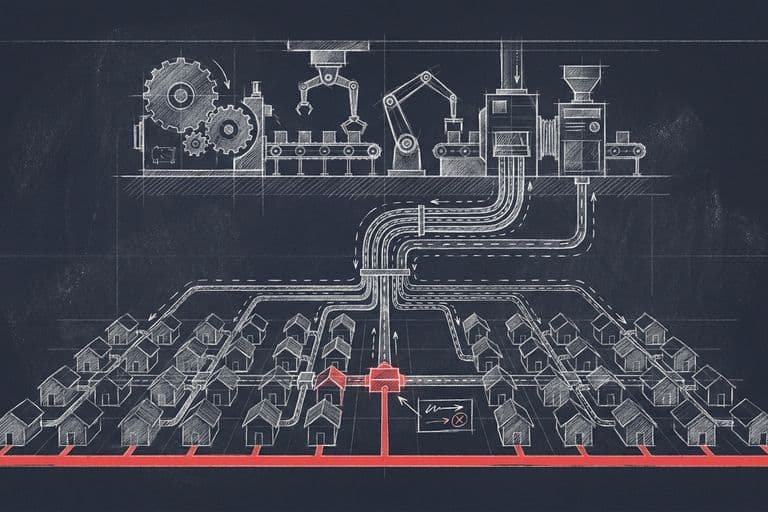
The Case for UBI, From Someone Building the Automation
I build autonomous drones and AI that replace human work. That is exactly why I argue for universal basic income — I see the curve from inside.
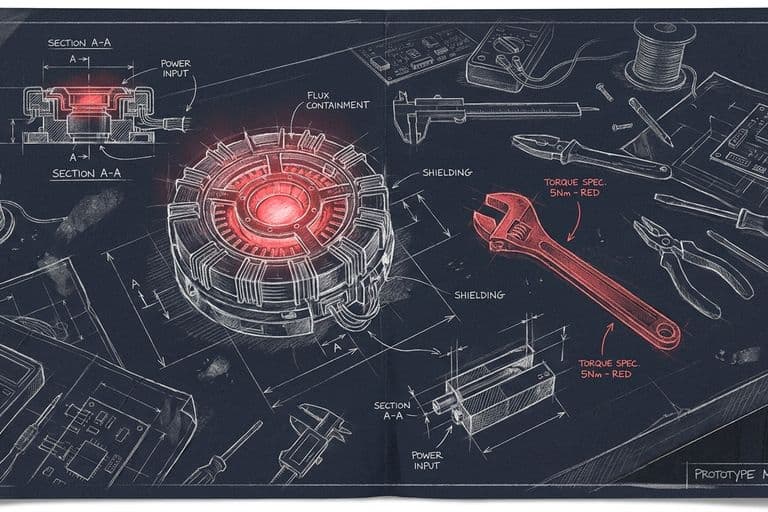
Tony Stark, Not Elon Musk: My Philosophy of Building
I build because I love the machine itself, not to own a movement. Here's the engineer-first philosophy behind a decade of autonomous-drone hardware that had to survive reality.